
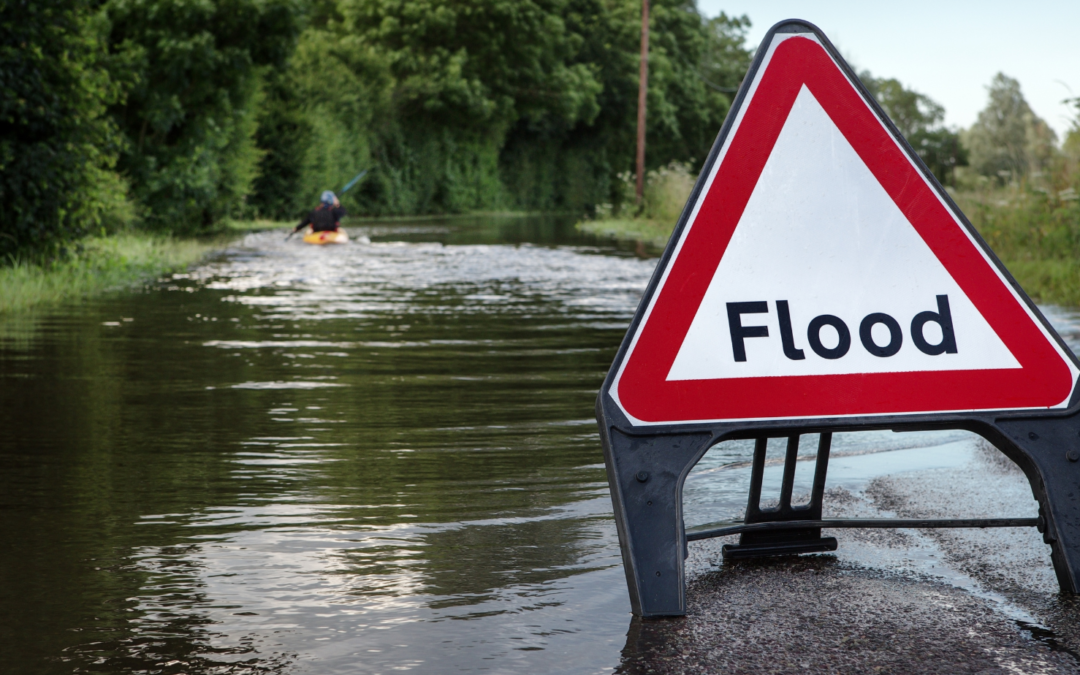
Driving through flooded roads may seem like a minor inconvenience or even an adventurous challenge for some drivers, but from the perspective of a vehicle garage, it’s a risky decision that can lead to significant damage to your car, safety hazards, and unnecessary expenses. Here are several reasons why you should avoid driving through flooded roads.
- Engine Damage: Water can enter the engine through the air intake, causing a hydrolock. This condition occurs when water fills the cylinders, preventing the pistons from moving. Repairing a hydrolocked engine can be costly, and in severe cases, it may require a complete engine replacement.
- Electrical System Failure: Modern cars have complex electrical systems, and water can cause serious malfunctions. Floodwater, which often contains contaminants, can corrode and short-circuit electrical components, leading to expensive repairs.
- Brake System Compromise: Brakes are crucial for vehicle safety, and water can severely impact their effectiveness. Water can wash away the lubricant on brake components, lead to rust, and even cause the brake pads to swell, all of which reduce braking efficiency.
- Transmission Issues: For vehicles with automatic transmissions, floodwater can enter through the dipstick tube or vent. This can contaminate the transmission fluid, leading to erratic operation and potential transmission failure.
- Interior Damage: Water entering the interior can ruin upholstery, carpets, and electrical components like seat controls and stereo systems. This not only affects the car’s resale value but also can be expensive to repair.
- Hidden Damage: Even if your car seems to operate fine after driving through a flood, there could be unseen damage. Water can seep into crevices and start a corrosion process that may not become evident until much later.
- Safety Risks: Floodwaters can be deceptive in depth and current strength. There’s a risk of the vehicle being swept away, which endangers the lives of the occupants.
- Insurance Issues: Insurance companies may not cover damage caused by driving through flooded areas, especially if it’s deemed that the driver intentionally took the risk.
- Environmental Concerns: A flooded car can leak oil, fuel, and other hazardous substances, contaminating the floodwater.
- Long-term Reliability: Vehicles that have been through a flood often have a multitude of problems down the line, affecting their reliability and lifespan.
In conclusion, the short-term convenience of driving through a flooded road is heavily outweighed by the potential long-term consequences. As a vehicle garage, we advise drivers to always seek alternative routes and prioritize their safety, the integrity of their vehicle, and the environment. Remember, it’s better to be safe than sorry – no destination is worth the risk of driving through a flood.